
The Scale is Tilting

Are you familiar with the Scales of Justice? Picture our energy use on a similar scale. Hanging on the left is our consumption. Humans need about 2000 calories to survive, but we Americans consume 100 times that amount. More than just our food, those 200,000 daily calories are embedded in things we like: iphones, air conditioning, cosmetics, and virtually everything else we touch throughout the day.
On the right side of the scale is our energy supply. The two largest components of that supply are oil and natural gas. Every person reading this blog has, for virtually their entire life, enjoyed an abundant supply of oil and gas, and thus a nicely balanced scale.
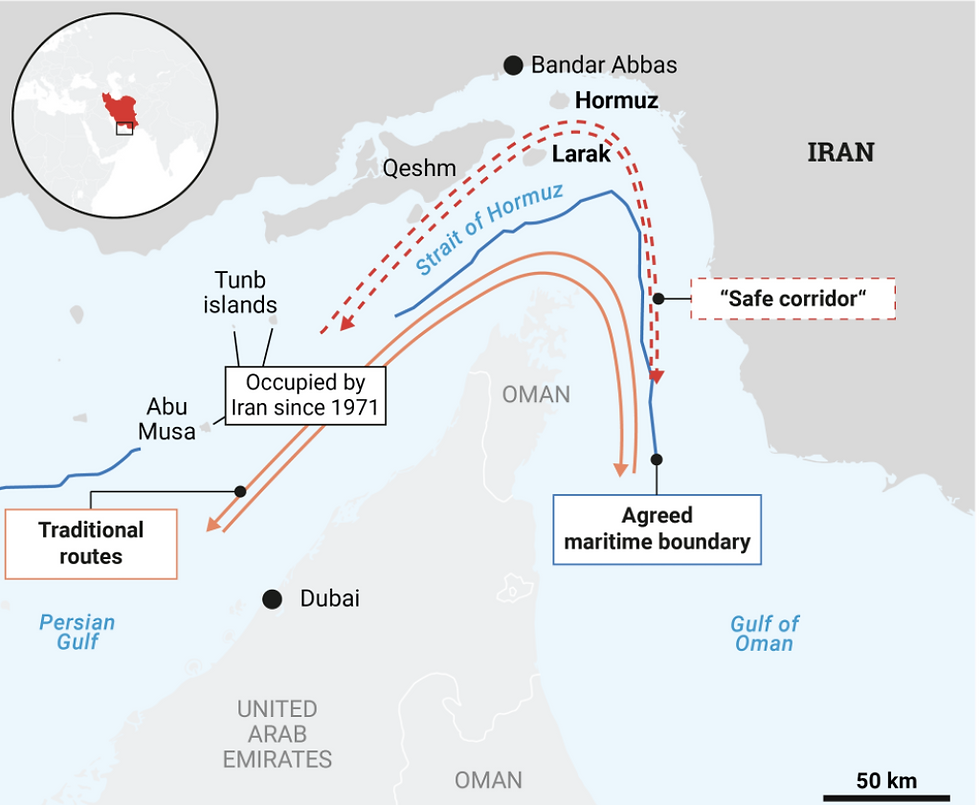
Until now. Three months ago, roughly 10 million barrels per day of oil (and a slightly smaller amount of natural gas) disappeared from the right side of our hanging scale. That is not a marginal disruption. That is the largest disruption to occur…ever…in human history. To keep the scale in balance, there are only three methods. 1) take oil and natural gas from our reserves (ships already on the water, tanks, and SPR’s) to fill up the right side; 2) increase production to fill up the right side; or 3) reduce consumption on the left side.
We started, as expected, with reserves. There were millions of barrels already in ships on the water. Governments stepped in and released record amounts of crude from strategic stockpiles to stabilize the market. All effective, all short-term. The world is consuming over 100 million barrels of oil per day. Even very large coordinated releases only buy months, not years. And every barrel pulled forward is one that no longer exists as a buffer later.
Number two is production. Why not produce more? Because oil and natural gas production is capital intensive and burdened by webs of regulations. Over the last ten years politics, especially the ESG movement, constrained capital. Imbalanced regulations added unnecessary costs. Investment in new oil and gas has lagged greatly, and the result is a structural lack of new supply that cannot be corrected easily, no matter how strong the price signal becomes.
Which leaves the third way to balance the scale. Demand (the number of calories on the left) must fall. That is not a policy preference. It is not a theory. It is the remaining balancing mechanism when supply is constrained and cannot easily respond.
Here is where the conversation often breaks down. People assume demand is flexible--that it can be painlessly reduced across the board with enough will or incentives. Yes, some demand is discretionary. People can drive less. They can delay certain purchases.
But that is not most of the system. Oil and gas demand are embedded so deeply into how the economy functions, that significant demand cannot simply disappear. Diesel is the best example. It powers the ships and trucks that deliver food, the equipment that builds infrastructure, the machinery that produces and harvests crops. When diesel demand drops materially, it is not because society made a simple choice to be more efficient. It is because something is breaking—supply chains, construction activity, or food production.
Another key example is natural gas, which sits at the center of something even more fundamental: fertilizer. Nitrogen-based fertilizers depend on natural gas as the primary feedstock. That is not a convenience—it is a chemical reality. Modern agricultural yields depend on those fertilizers. Remove them, and you do not just get slightly lower output. You get structurally lower food production. Want a better understanding of these fundamentals? Find a youtube video or book by Professor Vaclav Smil.
When we talk about reducing oil demand by 10 million barrels per day, when we talk about losing a similar amount of liquified natural gas, we need to be honest about what that actually implies. When the reserves start to run out (not long), when there is no new oil and gas production to balance the right side of the scale, what is it that will cause a reduction of calorie usage on the right side of the scale?
Price. At what oil price do people drive less? At what price do airlines cut capacity? At what price do manufacturers slow production? At what price (and at what consequence) does fertilizer use decline?
Unfortunately, we are about to find out. But there is a better way than killing demand via prices that kill. Let’s go back and look at number 2: new oil and gas production. Is it possible to increase domestic (US) production? You bet.
Instead of asking at what price do we stop driving and at what price do we stop eating, let’s ask better questions. Is the ESG movement sound? Why are Pennsylvania conventional oil and gas producers shunned by banks? Why do we have oil and gas regulations that are designed more to kill an industry, than to protect an environment? And why do we pretend that unreliable wind and solar can take the place of oil and natural gas?
The scale is in grave imbalance. Let’s start asking the right questions.


Comments