
The Iran War Is About to Remind America Why Oil Still Runs the World

We conventional oil and gas producers in Pennsylvania have listened to the energy conversation for years, and for the last decade it’s been dominated by talk of “transitioning away” from oil & gas. Solar panels and wind turbines get the headlines. But the past month, since the Iran war erupted, have exposed a truth the pundits refuse to face: oil and gas aren’t optional. They are the foundation of modern life. And the disruption in the Strait of Hormuz is about to prove it in the most painful way possible.
Before this conflict, the world was congratulating itself on a supposed oil surplus of roughly 2 to 3 million barrels per day. Analysts called the market “awash in oil.” From the wellhead, that always sounded ridiculous. Global production runs about 100 million barrels per day. A 2-to-3 million barrel cushion is only 2 to 3 percent—barely enough breathing room when every oil well in the world is already pumping flat out. We weren’t swimming in oil. We were walking a tightrope.
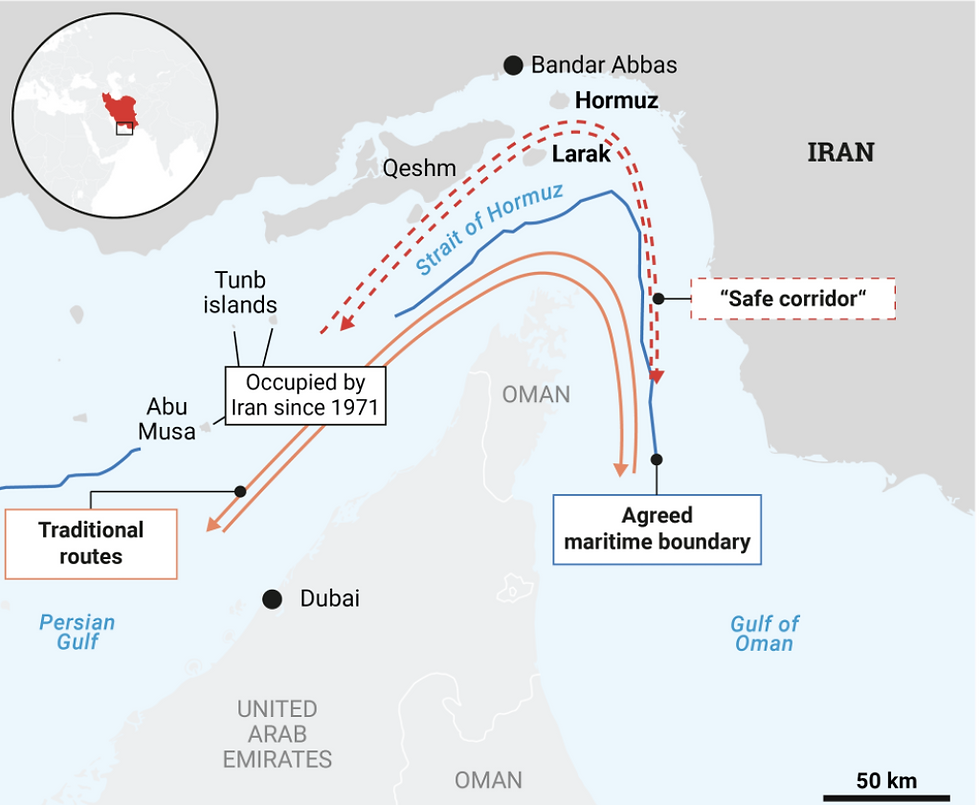
Now that tightrope has snapped. The closure of the Strait of Hormuz has cut off about 12 million barrels per day of crude oil, and nearly as much natural gas. That’s more than a 10 percent hole in global supply. Yet the full impact hasn’t hit your gas pump or grocery shelf yet. Why? Because the oil and gas markets didn’t under-react—they absorbed the shock. Since the start of the war in Iran, oil and gas on ships or, other storage, acted like a giant shock absorber. As one Rystad Energy analyst put it, the system that held for four weeks is no longer the system we’re operating in today. Those buffers are gone. Inventories are drawing down. The world’s small spare capacity is trapped behind the Strait of Hormuz. From this week forward, every single day matters.
Here’s what the renewable cheerleaders never talk about: when oil supply gets squeezed, we don’t reach for a “strategic reserve of solar panels” or a “wind backup battery the size of Texas.” There is no such thing. Solar and wind are intermittent by nature. They cannot deliver the reliability or the versatility of oil and natural gas. You can’t fill a jet engine with sunshine or power a container ship with a breeze. Oil moves food from farm to table. Natural gas is the feedstock for the fertilizer that grows all our crops. And oil and gas chemicals make asphalt, cosmetics, and the plastics for everything from medical devices to the packaging that keeps food sanitary. Without oil and gas, the supply chain doesn’t exist—with a 12% reduction, the supply chain will grow from unsteady to unreliable.
We are about to learn this the hard way. European oil refiners are already scrambling to compete with Asian buyers for the remaining Atlantic Basin barrels, and LNG prices are up in Asia and Europe. But in the main, price reaction has been muted because the loss was delayed by oil and gas in storage or transit. That grace period is ending. Ship traffic through the Strait remains impaired, and every day impairment continues is a body blow to world oil and gas inventories. We are now draining that those inventories at frightening speed…unfortunately, those tanks hold a limited quantity.
We are not here to bash renewables. They have their place. But pretending they can replace the dense, storable, versatile energy that oil and gas provide is wishful thinking. Some Pennsylvania politicians and regulators have spent years erecting roadblocks that don’t protect the environment, but do quietly snuff the life out of Pennsylvania’s conventional oil and gas industry. Pennsylvania’s conventional fields may be smaller than the big shale plays, but we deliver steady, high-quality crude oil that keeps refineries humming, and we produce natural gas that keeps families warm.
The Iran war is a brutal wake-up call. Oil and gas aren’t going away. They can’t. The question is whether we will finally stop taking oil and gas for granted and start treating the people who find and produce it as the heroes they are. Because when the last buffered barrel is gone and the shortages become real, school will be in session and the lesson will be about what keeps the lights on, the trucks rolling, and the shelves stocked.
Continued Hormuz impairment will be the chapter test--let’s see if Pennsylvania’s anti-fossil fuel politicians and regulators earn a passing grade.


Comments